
Nepal’s Mountains Send Travellers A Warning
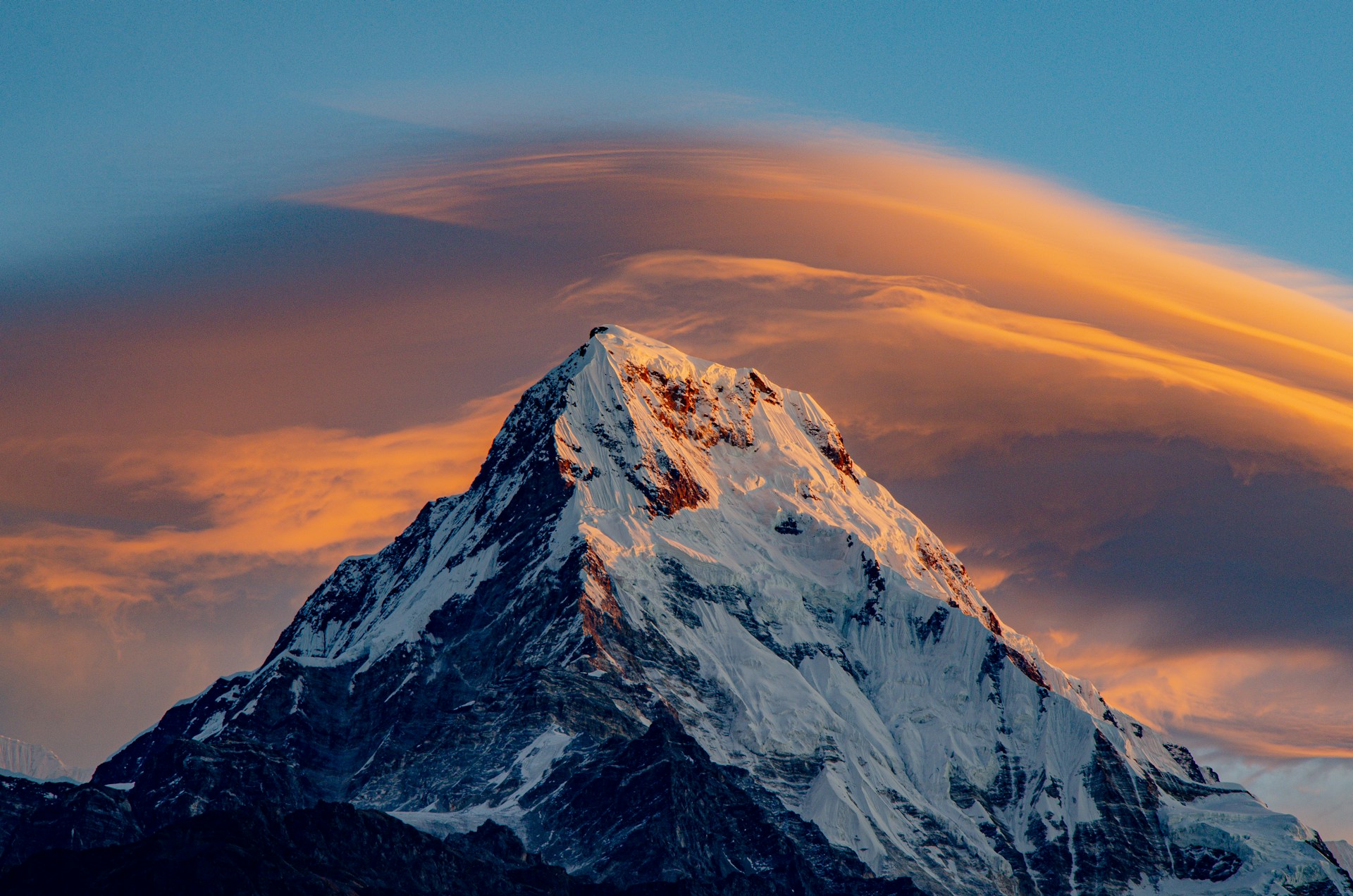
Nepal’s adventure tourism industry is facing a serious test after devastating Himalayan floods raised new concerns about safety, infrastructure and climate risk ahead of the country’s peak travel season. The disaster, which began on 26 August along the Nepal-Tibet border, followed a massive glacial collapse that triggered landslides and powerful flooding through mountain valleys.
The human cost has been severe, with authorities reporting 987 deaths and nearly 4,250 people missing. Roads, bridges, villages and hydropower facilities were damaged, while Nepal has estimated a rebuilding bill of $4 billion to $5 billion.
For a country built so strongly around trekking, mountaineering and spiritual travel, the timing is painful. Nepal’s main travel season runs from 15 September to 15 November, but tour operators and hostel owners are already seeing cancellations. One Kathmandu hostel owner expects occupancy to fall to about 60%, compared with full occupancy last year.
The challenge is not only persuading travellers that Nepal remains open. It is proving that adventure tourism can adapt to a more unstable climate. Industry voices are calling for routes, infrastructure and destinations to be redesigned with stronger protection against floods, landslides and extreme weather.
Nepal’s mountains have long sold the promise of awe, risk and discovery. That promise now carries a sharper question: how does a destination built around the power of nature protect visitors from its growing volatility? The answer will shape not only this season’s bookings, but the future confidence of travellers drawn to the Himalayas.